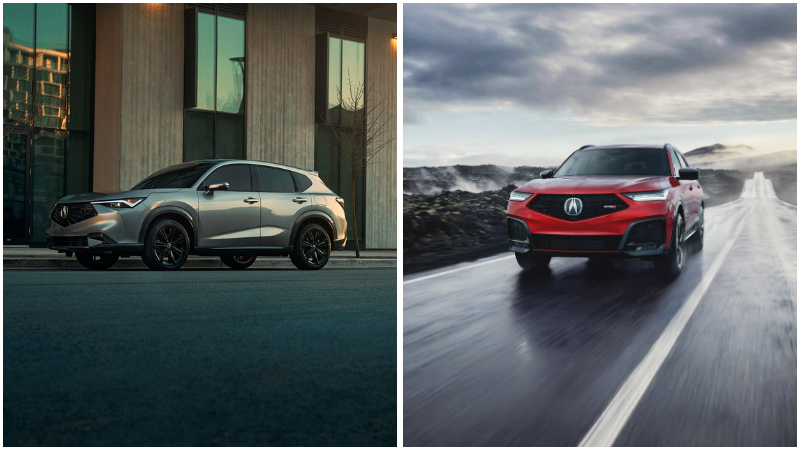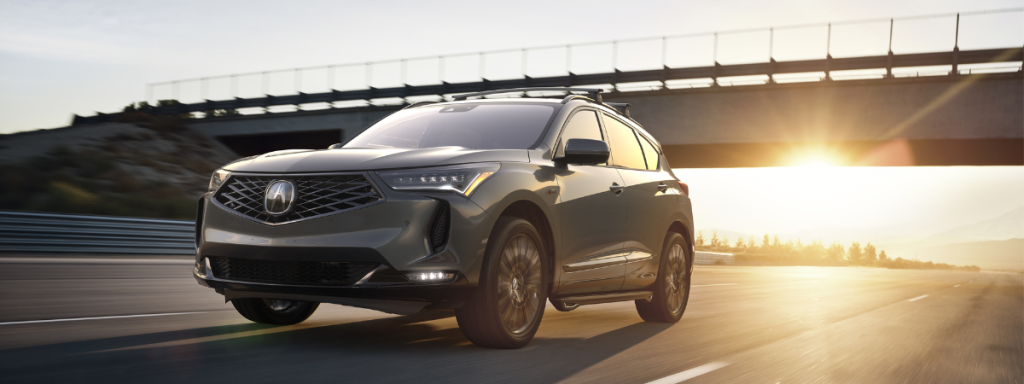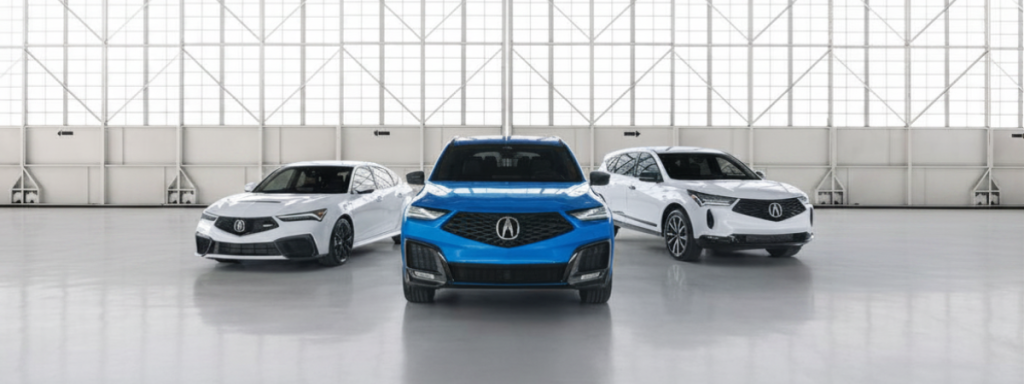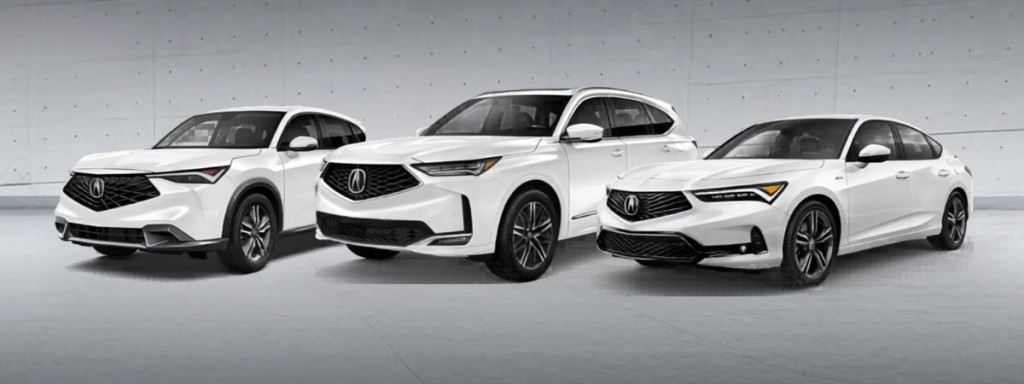



No 2027 Acura RDX? Why Current RDX Owners Should Consider the ADX If you drive an Acura RDX, choosing your next SUV may take a little more thought this time. With the RDX taking a break for the 2027 model year ahead of its next generation, replacing your current vehicle with the newest version of the same model may not be an option. The Acura ADX deserves a look if you want to stay with Acura and your priorities include everyday versatility, available all-wheel drive and a vehicle that fits comfortably into your routine. It offers less power and cargo room than the current RDX, but its dimensions and passenger space may be closer than you expect. For RDX owners around Peabody and the North Shore, the question is straightforward: does the ADX fit the way you drive today? What Is Happening to the Acura RDX? Acura announced that production of the current-generation RDX would be suspended during 2026 as the company prepares for an all-new model. In its October 2026 business update, Acura confirmed that the next-generation RDX will come to market in 2028 with a two-motor hybrid-electric powertrain. That makes this a transition between generations. It also creates a decision for current owners whose next vehicle purchase falls during the gap. You might keep your RDX longer, explore remaining 2026 vehicles if available, consider a pre-owned RDX or look at another Acura SUV. The ADX belongs on that list if you are open to a different balance of space, performance and features. The specifications below compare the 2026 ADX with the 2026 RDX. If you own an earlier RDX, your vehicle’s specifications and equipment will differ. Acura ADX vs RDX: What Changes? 2026 Acura ADX The 2026 Acura ADX has a 1.5-liter turbocharged four-cylinder engine producing 190 horsepower, paired with a continuously variable transmission. Front-wheel drive is standard, and all-wheel drive is available. EPA-estimated combined fuel economy is 28 mpg with front-wheel drive or 27 mpg with AWD. The ADX measures 185.8 inches long and 72.5 inches wide, with 37.7 inches of rear legroom. Behind the rear seats, it provides 24.4 cubic feet of cargo space, or 23.2 cubic feet with the A-Spec with Advance Package. 2026 Acura RDX The 2026 Acura RDX has a 2.0-liter turbocharged four-cylinder engine producing 272 horsepower, paired with a 10-speed automatic transmission. Super Handling All-Wheel Drive is standard, and all packages have an EPA-estimated combined fuel-economy rating of 23 mpg. The RDX measures 187.4 inches long and 74.8 inches wide, with 38.0 inches of rear legroom. Its standard cargo volume behind the rear seats is 29.5 cubic feet, giving it more room for luggage, groceries and everyday gear. Specifications compare the 2026 models; earlier RDX models may differ. Cargo figures use Acura’s standard measurements behind the rear seats. EPA ratings are for comparison purposes; actual mileage varies with driving, maintenance and conditions. The ADX May Be Closer in Size Than You Expect Moving from an RDX to an ADX does not mean making a dramatic change in vehicle length. The 2026 ADX is just 1.6 inches shorter than the 2026 RDX. The difference in width is more noticeable. The ADX measures 72.5 inches wide compared with 74.8 inches for the RDX. That narrower body may appeal if your daily routine includes a tight garage, crowded parking lots or frequent trips into Greater Boston. Check mirror clearance separately when measuring your space. Rear legroom is also close: 37.7 inches in the ADX versus 38.0 inches in the RDX. However, the RDX has more rear shoulder room, so passengers may notice the difference across the cabin. Bring your usual passengers when comparing them. Your seating position, child seats and how often you fill the rear bench matter more than a general size category. Consider How Much Cargo Space You Actually Use Cargo capacity is one of the clearest reasons an RDX owner might prefer to stay with an RDX. Using Acura’s standard measurements behind the rear seats, the 2026 RDX provides 29.5 cubic feet. The ADX provides 24.4 cubic feet, or 23.2 cubic feet with the A-Spec with Advance Package. If your RDX regularly carries a stroller, sports equipment and groceries at the same time, that difference deserves attention. If the cargo area usually holds a few shopping bags and an occasional suitcase, the ADX may meet your needs comfortably. Bring a representative load to your comparison appointment. Check whether it fits with the rear seats upright and whether the opening makes loading convenient. A cargo-volume figure is useful, but it cannot show how your particular belongings fit. Expect a Different Driving Character The ADX is worth considering with realistic expectations about performance. Its 190-horsepower turbocharged engine produces less power than the 2026 RDX’s 272-horsepower engine. The transmissions differ, too: the ADX uses a continuously variable transmission, while the RDX has a 10-speed automatic. If strong acceleration is one of your favorite things about your current RDX, make that a priority during the test drive. Evaluate highway merging, response on an incline and how the vehicle feels with passengers aboard. If your driving is mainly commuting, errands and local trips, you may find the ADX’s balance suits you. The goal is to determine whether you enjoy its response in the situations you encounter most often. Fuel Economy Is a Reason to Look Closer With rising gas prices, fuel economy is on many car shoppers minds. The ADX offers higher EPA combined fuel-economy ratings than the 2026 RDX. For an AWD comparison, the 2026 ADX is rated at 25 mpg city, 30 mpg highway and 27 mpg combined. The RDX is rated at 23 mpg combined across its packages. For someone commuting between Peabody, Danvers and Greater Boston, fuel use may be a meaningful part of the decision. Actual results will depend on traffic, weather, driving habits and other conditions. If you currently own an older RDX, compare the ADX with the EPA rating for your exact model year and drivetrain rather than assuming the 2026 RDX figures describe your vehicle. Check the Features You Would Miss - and Those You Would Welcome An RDX owner’s experience with the ADX will depend partly on the age and equipment of their current vehicle. The 2026 ADX includes a 9-inch touchscreen, wireless Apple CarPlay and Android Auto compatibility, and heated front seats. Additional comfort and technology features vary by package. If you currently use the True Touchpad Interface in a recent RDX, the ADX’s touchscreen is a difference worth trying in person. While parked, connect your phone, enter a destination and explore the controls. Also check familiar conveniences individually. Seat adjustment, driver memory, a heated steering wheel and camera features should be confirmed on the specific vehicle rather than assumed from the Acura badge. Frequently Asked Questions Is the ADX replacing the RDX? The ADX is a separate Acura model. Acura has announced a next-generation RDX Hybrid for market introduction in 2028. The ADX is an alternative to consider during that transition. Can I get an ADX with all-wheel drive? Yes. AWD is available on the 2026 ADX. Its system differs from the RDX’s SH-AWD, so compare the specific vehicles rather than assuming identical operation. Should I wait for the RDX Hybrid? That depends on your timing and how well your current vehicle meets your needs. If you are interested in the future RDX, follow Acura’s announcements without assuming specifications or delivery dates that have not been confirmed. Can I still consider another RDX? Yes. Ask about remaining new 2026 inventory and pre-owned options. Availability will vary, and certified pre-owned Acura vehicles provide another shopping path to explore. Is the ADX the Right Next Step From Your RDX? The ADX is worth a test drive if your needs have shifted toward everyday efficiency, a narrower body and practical passenger space. If you regularly use your RDX’s cargo capacity or strongly value its performance, give those differences equal weight. Contact Acura of Peabody to discuss your current RDX and arrange a closer look at an ADX configuration that fits your routine.
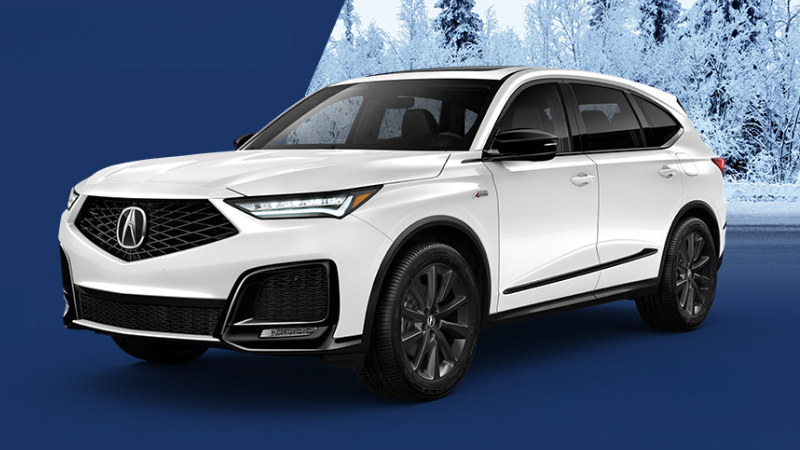
Do You Need Winter Tires on an Acura With SH-AWD?
Does My Acura Need Winter Tires? If you regularly drive on snow, slush or icy roads, winter tires are worth considering even if your Acura has Super Handling All-Wheel Drive (SH-AWD). SH-AWD helps you put power to the road when you accelerate. Winter tires give you more grip to work with when you brake or steer in winter conditions. If you mostly drive on cleared roads and can stay home during storms, a good set of all-weather tires may make more sense. The decision comes down to the part of your drive you can least afford to skip. A Peabody driver who can wait for the plows has different needs from someone who has to be on Route 128 before sunrise. Here’s how to choose Acura winter tires based on the roads you actually drive. What Does SH-AWD Do When the Roads Get Slippery? Acura’s SH-AWD system can send power to the front and rear wheels and vary how much goes to each rear wheel. That helps the vehicle put power down when pulling away from a stop or accelerating through a turn. In an Acura MDX equipped with SH-AWD, you might notice that benefit when leaving a slushy parking lot or getting started on an uphill street. Now picture the other end of that same drive. You’re coming down a hill toward a stop sign, or you need to slow down on a curved exit ramp. Both front-wheel-drive and all-wheel-drive vehicles already brake at all four wheels. How much braking force the road can take depends on the grip at the tires. The same applies when you turn the steering wheel. That’s why an SUV can feel composed pulling away from a light and still need considerably more room for the next stop. When Do Dedicated Winter Tires Make Sense on the North Shore? Start with your schedule. If you can wait for the plows before leaving home, you have more flexibility in your tire choice. If you work early shifts, drive through storms or have a steep road or driveway you use every day, dedicated winter tires make a stronger case. Consider the whole route, too. A commute from Beverly or Danvers to Peabody may be mostly on treated pavement, but you still have to make it down your street and slow down for your exit. If you head inland toward Andover or Haverhill, think about how often you encounter untreated roads at the times you actually drive. The hardest stretch may account for only a few minutes of your commute, but it can be the stretch that determines your tire choice. Frequent trips to New Hampshire can also change the decision. You may be comfortable waiting for clear roads at home, then find yourself regularly driving on packed snow near a ski area. If those trips are part of your winter routine, include them when deciding what to put on your Acura. How Winter, All-Weather and All-Season Tires Compare. Dedicated Winter Tires Choose dedicated winter tires if you regularly encounter packed snow, slippery hills or roads that haven’t been treated. Their rubber is designed to stay more flexible in the cold, and their tread is designed for winter conditions. Budget for seasonal changeovers and figure out where you’ll keep the set that’s off the vehicle. All-Weather Tires All-weather tires are designed for year-round use and can make sense if you want one set and spend most of the winter on cleared roads. Look for the three-peak mountain snowflake symbol on the sidewall. It indicates the tire met a standardized snow-traction requirement. For a fuller picture, look at how the specific tire performs in wet braking and on ice, since the test behind the symbol doesn’t measure those capabilities. Conventional All-Season Tires If your trips are flexible and you rarely drive until roads are clear, start by checking the all-season tires you already have. Find the exact tire model and have the tread measured across all four tires. A set that felt fine during its first winter may have noticeably less grip after a few seasons of wear. Revisit your choice if your commute changes or you start driving more often in winter weather. How to Choose Winter Tires for an Acura MDX. Start with the exact trim and drivetrain. Acura has offered the MDX with front-wheel drive and SH-AWD, and the wheel and brake specifications vary by trim. If you’re looking for an MDX in the Acura of Peabody pre-owned inventory, confirm the drivetrain on the individual vehicle and ask which tires are currently installed. A pre-owned MDX may be on a different set than it had from the factory. If you already own an MDX, check the tire information label in the driver’s door opening and consult the owner’s manual. When considering a second set of wheels, have the tire size, load capacity, brake clearance and tire-pressure monitoring compatibility checked together. That’s especially important if you want to run a smaller winter wheel on a Type S Advance, which uses different front brakes from the regular MDX. Acura recommends using winter tires on all four wheels. Installing only two can create an imbalance in grip between the front and rear, which matters when you brake or turn. After the swap, check pressure with the tires cold and follow the recommended pressure for your vehicle and approved setup. While you’re handling Acura winter prep, check your wipers and fill the washer reservoir with fluid rated for freezing temperatures. Acura Winter Tire FAQs. Does Snow mode replace winter tires? Snow mode changes how the MDX responds to your inputs. The tires still determine how much grip is available. Use the mode as directed in your owner’s manual and leave extra stopping room when conditions are slippery. When should I put winter tires on in Massachusetts? Schedule the changeover as sustained cold weather approaches and before you expect to drive in snow or ice. If your job gets you on the road before sunrise or you have an early-season trip north planned, use that schedule to decide when to swap. Is it worth buying a second set of wheels? It can be if you plan to keep your Acura for several winters. A mounted set lets a shop swap complete wheels each season. Compare the upfront cost of wheels and compatible sensors with the recurring cost of mounting and balancing tires on your existing wheels. Factor in storage if you don’t have space at home. Can winter tires help on black ice? Grip can be very limited on black ice, even with dedicated winter tires. If freezing rain or refreezing is expected and your plans are flexible, wait for conditions to improve. If you must drive, reduce your speed and leave substantially more room to stop. Choose Tires for the Winter Driving You Actually Do. If your Acura needs to get you to work before the roads are clear, or you regularly drive on packed snow, a dedicated set of four winter tires is the stronger choice. If you mostly drive on treated roads and can wait out storms, a capable all-weather set may suit you year-round. If you’re unsure what’s on your Acura now, contact Acura of Peabody and ask about checking your tire condition and confirming fitment for your model and trim. About Acura of Peabody. Acura of Peabody serves drivers across Massachusetts’ North Shore and Greater Boston. We offer new Acura models, Acura Certified Pre-Owned vehicles and used cars and SUVs. Our Peabody service and parts departments can help with routine maintenance, repairs and Genuine Acura Parts throughout your ownership.